
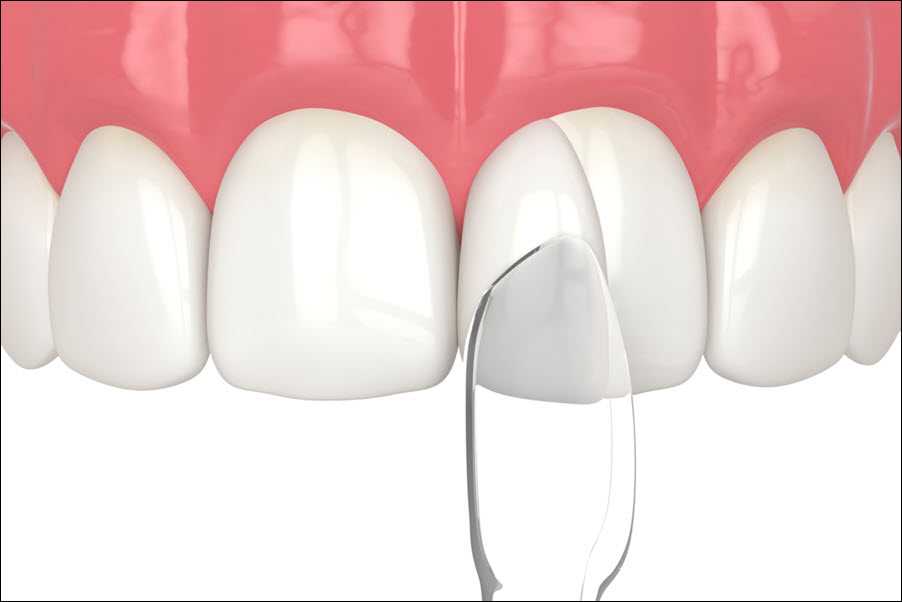
Dental Bonding: A Simple Way to Improve Your Smile
Small imperfections in your teeth can make a noticeable difference in how you feel about your smile. A chipped tooth, minor gap, discoloration, or uneven edge may not require extensive dental treatment. In many cases, dental bonding provides a simple and effective cosmetic solution.
At Forest Hills Dental Associates, dental bonding can help improve the appearance of individual teeth while maintaining a natural-looking smile.
What Is Dental Bonding?
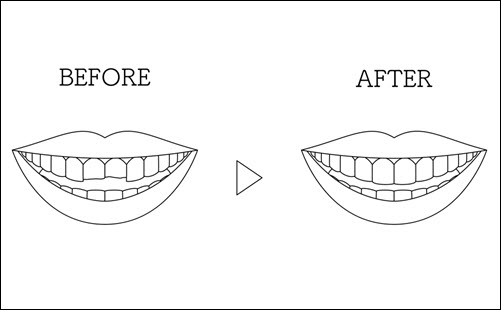 Dental bonding, sometimes called cosmetic bonding or tooth bonding, is a procedure that uses tooth-colored composite resin to change the appearance of a tooth.
The same type of material used for many tooth-colored fillings can be carefully shaped and polished to blend with your natural teeth. Your dentist selects a shade that closely matches the surrounding enamel, helping the finished restoration look natural.
Bonding can often be completed during a single dental appointment, depending on the number of teeth being treated.
What Can Dental Bonding Fix?
One of the advantages of dental bonding is its versatility. It can address several common cosmetic concerns, including:
- Small chips in teeth
- Minor cracks or surface imperfections
- Gaps between teeth
- Tooth discoloration
- Uneven or irregularly shaped teeth
- Teeth that appear too short
- Minor areas of tooth wear
- Exposed portions of tooth roots
Dental bonding may also be used for certain restorative purposes, such as repairing a small area of tooth damage or decay.
However, bonding is not appropriate for every dental concern. A dental examination can determine whether bonding or another treatment would provide a better long-term result.
What Happens During Dental Bonding?
The dental bonding procedure is typically straightforward and requires minimal preparation.
First, your dentist selects composite resin that matches the color of your natural tooth. The tooth surface is then prepared to help the bonding material adhere securely.
The composite resin is applied and carefully sculpted to create the desired shape. A special light hardens the material before your dentist makes final adjustments and polishes the tooth.
Because little or no natural tooth structure may need to be removed, bonding can be a conservative option for improving certain cosmetic imperfections.
How Long Does Dental Bonding Last?
The lifespan of dental bonding varies depending on the location of the restoration, your bite, oral hygiene, and everyday habits.
Composite resin is durable, but it is not as strong as natural tooth enamel or porcelain. Biting fingernails, chewing ice, or using your teeth to open packages can chip or damage the bonded material.
Bonding can also become stained over time, particularly with frequent exposure to coffee, tea, red wine, tobacco, and other staining substances.
How Do You Care for Bonded Teeth?
Caring for dental bonding is similar to caring for your natural teeth. Brush twice daily with fluoride toothpaste, floss every day, and maintain regular dental examinations and professional cleanings.
Avoid habits that place unnecessary pressure on your teeth. Your dentist can also monitor bonded areas during routine appointments and repair or replace bonding when necessary.
Is Dental Bonding Right for Your Smile?
If you have a chipped, uneven, discolored, or slightly damaged tooth, dental bonding may provide a relatively simple way to enhance your smile.
Forest Hills Dental Associates provides cosmetic and restorative dental care designed around each patient’s individual needs. Contact our office to schedule an appointment and find out whether dental bonding is the right option for your smile.
